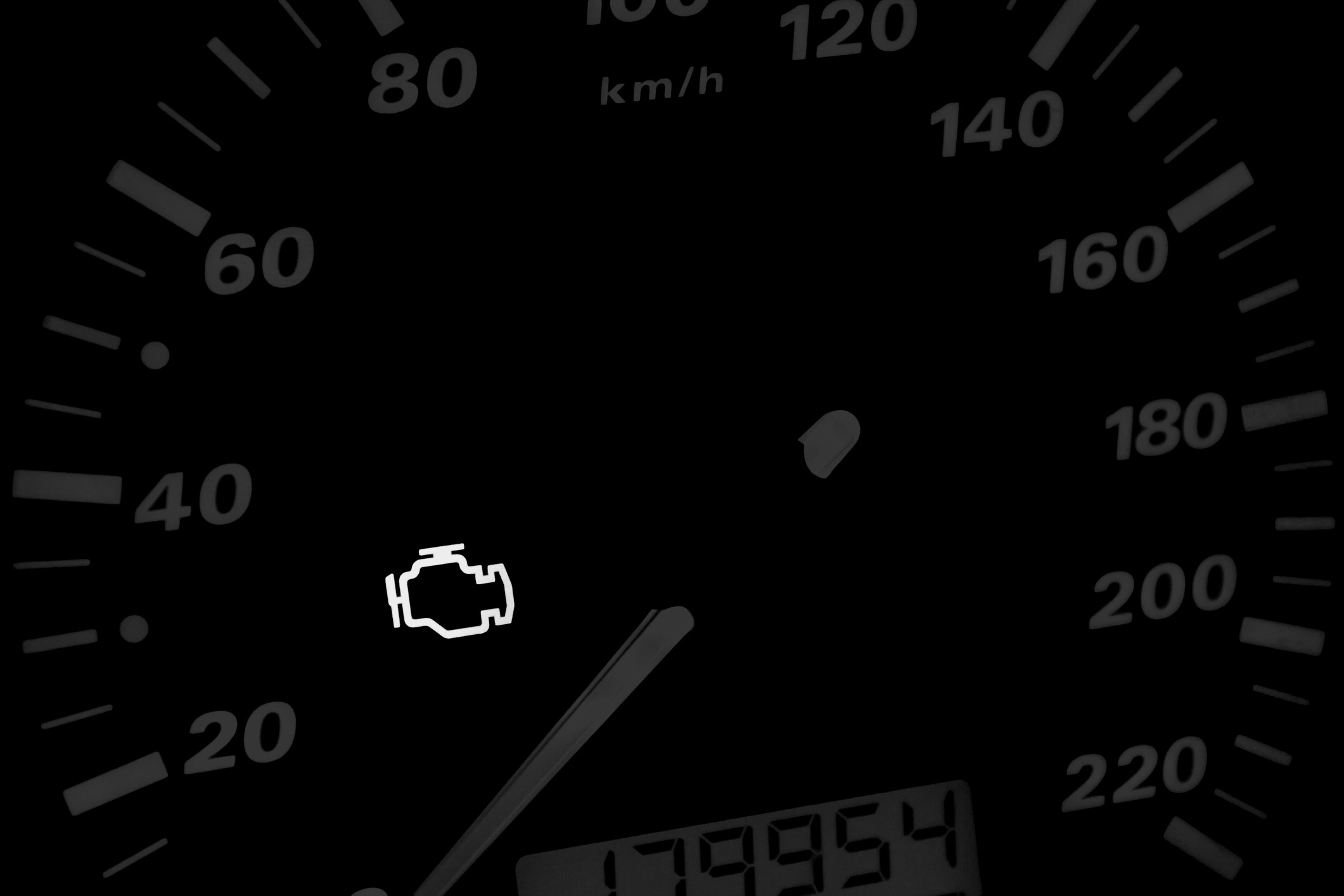
There's nothing quite like the sinking feeling of seeing your check engine light flick on. Should you keep driving? Pull over? For fleet managers, this moment triggers more questions than answers. That's where understanding DTC codes (Diagnostic Trouble Codes) becomes essential.
What Is a DTC Code?
DTC stands for Diagnostic Trouble Code — a standardised code used to identify specific issues within a vehicle. When your car or truck detects a fault, it logs the issue and triggers the Malfunction Indicator Lamp (MIL) — the check engine light. But while the light warns you something is wrong, it doesn't tell you what. That's the job of the DTC.
How to Read an OBD-II DTC Code
Each DTC is a five-character alphanumeric code. Here's what each part means:
Character 1 — System Category
P = Powertrain (engine, transmission, emissions) · C = Chassis (brakes, suspension, steering) · B = Body (airbags, lighting, AC) · U = Network (communication between modules)
Character 2 — Code Type
0 = Generic (standard across all manufacturers) · 1 = Manufacturer-specific · 2/3 = Less common, usually also manufacturer-specific
Character 3 — Subsystem
1 = Fuel/air metering · 2 = Injector circuit · 3 = Ignition system · 4 = Emissions · 5 = Idle/speed control · 6 = Output circuits · 7/8 = Transmission
Characters 4 & 5 — Fault Identifier
These two digits pinpoint the specific issue — a faulty sensor, misfire, circuit malfunction, or other specific fault within the identified subsystem.
What to Do When You Get a DTC Code
1. Retrieve the Code
Use an OBD-II scanner — or Frotcom's automatic DTC diagnostics — to retrieve the code from the vehicle's OBD system.
2. Decode It
Decode using a telematics system or the vehicle's manual. Determine severity — some issues are minor, others signal a major malfunction.
3. Take Action
From scheduling maintenance to pulling the vehicle from the road — act appropriately and quickly to prevent small issues becoming big ones.
Not all DTC codes trigger a warning light
Some vehicle health issues are logged silently. Frotcom's real-time DTC monitoring catches these too — giving you visibility into faults that would otherwise go unnoticed until they become expensive problems.
Ready to find out more?
Contact Us →