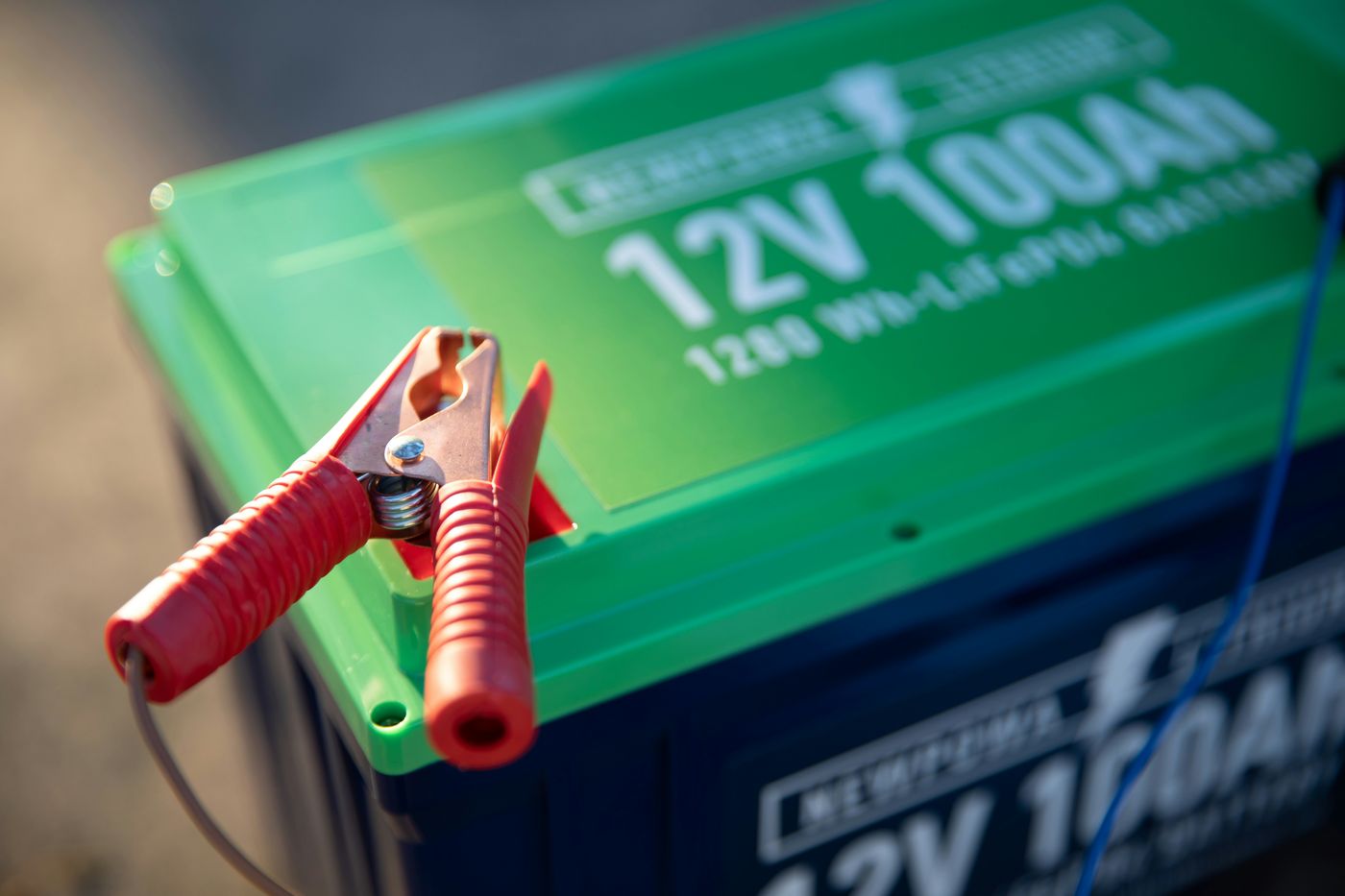
Flat batteries are the leading cause of car and van breakdowns. With Frotcom, you gain real-time visibility into your vehicle's battery health, allowing you to act before a failure occurs.
As standard, Frotcom continuously monitors your vehicle's battery by measuring its voltage. But how should you interpret these readings, and when should an alarm be triggered?
This guide explains how to understand voltage measurements. For additional advice — such as guidance on other battery types — please contact your Frotcom account manager.
Battery Voltage Cheat Sheet
Also known as: "Is Your Battery Happy?"
Engine Off (Battery at Rest)
Engine On (Alternator Charging)
Pro Tips for Testing
Resting Test
Check after the vehicle has been off for a few hours — this gives you the true resting voltage.
Cranking Test
Starting the engine shouldn't drop below ~10V. If it does, your battery is weak.
Running Test
With lights and AC on, voltage should stay in the 13.7–14.7V sweet spot.
Quick Takeaway
Anything outside these ranges? Don't wait for a breakdown — Frotcom's real-time battery monitoring means your team can act before the vehicle fails at the roadside.
Want to understand how Frotcom monitors battery health across your fleet?
Contact Us →